


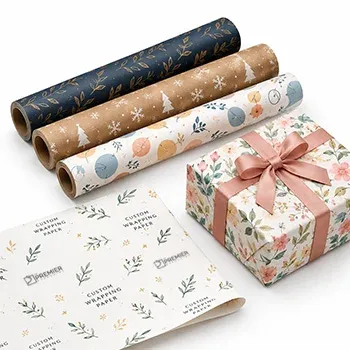


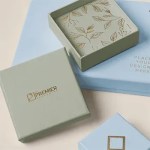


From design assistance to final delivery, our streamlined process ensures you get high-quality custom boxes on time.
Fill Out the Quote Form
Spill the details about the size, style, MOQ, artwork, add-ons, printing or anything you’d like to print on your dream custom box.
Receive Your Personalized Quote
Within 24 hours we'll review your quote, share the price tag, turnaround time, delivery details, and other relevant information.
Fine-Tune Your Design
Upload your custom artwork or let our designers do the heavy lifting. We’ll share the design mock for your approval afterward.
Production in Action
Once you give us the green light, our production process will begin, delivering the kind of box your brand needs.
Fast & Reliable Delivery
After you approve the design mock, you just have to wait for a couple of days, and your order will be shipped safely.
We offer the best custom box material options for Every Product Packaging Need
A custom paperboard box does more than you might have imagined till this point in time. It:- Protects the contents (stored products)
- Represents the brand story
- Enhance the first impression a customer gets
- Makes shipping, storing, and presenting a product way easier
Our Versatile Paperboard Material Categories for Boxes
Because each custom box material option solves a specific problem, the need for many paperboard materials becomes necessary. For example- A corrugated board absorbs shock in transit.
- Rigid boards signal luxury.
- Kraft carries an eco message.
- Plastic films (like in Mylar bags) seal out moisture and air.
- Kraft Paper
- Buxboard
- Chipboard
- Rigid Board
- Corrugated Board
- Paperboard/Cardboard
- Plastics for flexible packaging
- And eco-friendly alternatives
Corrugated Material
Here’s something that you might need to know about corrugated material. This material is found mostly in shipping boxes, like heavy-duty boxes, to solve logistical packaging issues. It has a fluted (waved) layer glued between flat liner boards. The flutes create air channels that absorb impact, resist crushing, and add stiffness without weight. It is affordable, light, and easy to print on. We often use this material to make custom shipping boxes, custom mailer boxes, sleeve and tray boxes, one-piece boxes, shoulder-neck boxes, and more. So if you are doing e-commerce, this is the go-to choice. Following is a compact list of corrugated boards and flute profiles that we offer:Corrugated Board Types
- Single face: one liner glued to one fluted sheet. It bends easily, so we use it as a wrap or cushioning layer inside a box, not as a box on its own.
- Single wall: one fluted layer between two liners. This is the common shipping box. It suits most retail and e-commerce products.
- Double wall: two fluted layers and three liners. It carries heavier products and stacks well in warehouses. Good for industrial goods and bulk shipments.
- Triple wall: three fluted layers. It is strong enough to replace wooden crates for very heavy items and long export routes.
Corrugated Flute Profiles
- A-flute (about 5 mm): the thickest. Best cushioning and stacking strength. Used for fragile and heavy items.
- B-flute (about 3 mm): flat surface with strong crush resistance. Common for canned goods and retail packaging.
- C-flute (about 4 mm): the all-purpose choice. Balances cushioning and strength for general shipping boxes.
- E-flute (about 1.5 mm): thin with a smooth print surface. Used for retail and product boxes that still need light protection.
- F-flute (about 0.8 mm): the thinnest. Made for small retail boxes and premium printing.
Kraft Material
Kraft is a sustainable paper with a natural brown tone and a rustic look. Brands that buy from us choose this material to tell sustainability stories and to lower their carbon footprints. So we take into account the ever-growing demand for sustainability, thus making our bespoke eco-friendly boxes. That’s why we have a lot of Kraft paper options to choose from — depending on the customer's needs.Kraft Variations
- Natural (virgin) Kraft: made from fresh wood pulp. It has the strongest fibers and the classic brown color. High-end food and cosmetic brands use it to signal a natural product.
- Recycled Kraft: made from recycled fibers. It costs less and supports a recycled-content claim, with a slightly rougher finish.
- White Kraft: bleached and processed kraft. Its reflective white surface draws attention and prints cleanly for a minimal look.
- Black Kraft: a darker variant that gives a premium, luxury feel. It suits gift packaging.
- Coated Kraft: Kraft with a surface coating that adds moisture and grease resistance and improves print. Used for food contact and items that face humidity.
- Colored Kraft: Kraft dyed to a brand color beyond black and white, for shelf differentiation.
Paperboard & Cardboard Material
Cardboard, made mainly from softwood pulp, is the first choice for retail packaging. It prints well, folds into many shapes, and customizes to almost any size or style. If you wanna buy custom cardboard boxes, these are the material choices you’ll have to choose (but we aren’t limited to only these options):- Solid Bleached Sulfate (SBS): premium bleached paperboard. Its smooth white surface gives the best print results. Used for cosmetics, premium food, and pharmaceutical cartons.
- Coated Recycled Board (CRB): 100% recycled fiber with a clay coating on top. The coating gives a cleaner print surface and an eco claim. Common for cereal and dry-goods cartons.
- Uncoated Recycled Board (URB): 100% recycled fiber, stiff and rigid. Used where strength matters but printing does not, such as set-up boxes and internal structure. It meets many food-brand standards.
- Coated Unbleached Kraft (CUK) / Solid Unbleached Sulfate (SUS): a strong unbleached board with good wet strength. Used for beverage carriers and frozen-food packaging that faces moisture.
- Folding Box Board (FBB): lightweight and easy to fold. It suits high-volume folding cartons for cosmetics and pharma.
- Liquid Packaging Board (LPB): paperboard with a poly coating that holds liquids. Used for milk, juice, and other beverage cartons.
- Molded pulp: recycled pulp shaped in a mold. Used for egg cartons, electronics trays, and protective inserts. It is fully recyclable and shaped to fit the product.
Rigid Material
Rigid boards are used to make custom rigid boxes, also known as setup boxes. It delivers a premium unboxing feel and strong protection. We use it for gift boxes, jewelry boxes, and high-end luxury packaging solutions.Rigid Box Core Materials
- Greyboard (bare board): dense compressed paper. It is the standard rigid core, wrapped in printed paper or fabric for the final finish.
- MDF (medium-density fiberboard): a wood-fiber board. It is heavier and built for keepsake boxes that a customer reuses and keeps.
Material Options for Flexible Packaging
Flexible plastic seals out moisture, oxygen, and light. It is the base of pouches and Mylar bags that we offer. They protect food, supplements, and other sensitive goods. Each polymer has a different barrier strength and use. Options include:- Polyethylene Terephthalate (PET): clear and strong. Used for bottles, thermoformed trays, and the outer layer of many pouches.
- High-Density Polyethylene (HDPE): opaque and tough. Used for jugs and detergent bottles.
- Low-Density Polyethylene (LDPE): soft and flexible. Used for films, squeeze bottles, and bags.
- Polystyrene (PS) / Styrofoam: rigid or foamed. Used for cushioning and disposable food trays. Less eco-friendly than other options.
- Polyvinyl Chloride (PVC): used for clamshells, blister packs, and shrink labels.
- Bioplastics (PLA): plant-based and compostable. A greener alternative to PET for brands cutting fossil-based plastic.
- Polypropylene (PP): heat-resistant and clear. Used for caps, microwavable containers, and clear pouches.
Void Filling Materials for Internal Protection
Many customer products are fragile. So we make sure our custom boxes are made right for every kind of product. To enhance safety, we offer the following material options:- Custom inserts (Die-Cut, Foam, Molded Pulp, EVA & Plastics)
- Packing peanuts (EPS or plant-based)
- Crinkle / shredded paper
- Glassine paper
- Tissue paper
- Bubble wrap
- Air pillows
GET THE MOST ACCURATE QUOTATION
Optimized dimensions for efficient packaging and shipping
 Zero Setup Fee
 Free Shipping
 Design Help
 Get Free Quote
Our Happy Clients!
-
 TrustPilot
-
 Google

See our Trustpilot reviews
 Trustpilot

"Great experience with Premier Packaging. The quality was exactly as expected, communication was solid throughout, and timelines were met. Overall a smooth, professional process. Would definitely recommend and use them again."
Read more
"The order was done on time and turned out perfect. I will be using them again."
Read more
"We had a great experience working with David on some custom mailer boxes. He was always responsive and helped to ensure the final product met our needs for recyclability. The print quality is unbeatable. When we had an issue with the courier’s handling on delivery, David ensured accommodations were made. We would be happy to work with Premier again in the future."
Read more
"Great Product, Great Pricing. We did a custom box and it turned out perfectly. Extremely happy with the final product. Thanks David W."
Read more
"The Premier Packaging company did an amazing job with our boxes. The boxes are beautiful and sturdy. David was our rep and he did an amazing job with our order and servicing. Thank you!"
Read more
"I am extremely impressed with my experience! The quality of the product exceeded my expectations, and the production time was incredibly fast. Once we perfected the artwork, the ordering process was simple and smooth. I was also blown away by the outstanding customer service that Zack provides. He always responds very quickly to my requests, is extremely helpful, and ensures everything is perfect. Highly recommend!"
Read more
"David was excellent to work with. I received my custom size and designed boxes within a week of ordering them and they look and feel great. Whenever I had a question David, my sales representative was very responsive and always took the time to call me and ensure that my question was answered to the best of his ability. Can’t thank them enough for the quick turnaround. The quality of the product was also impressive considering how fast it arrived to my door! Would highly recommend them to anyone looking to get custom-made boxes! Look forward to working with them in the future!"
Read more
"Got my package in time for my event thank you!"
Read more
"Alex was so helpful and answered all my questions and concerns in a timely manner. He made the experience a reassuring one for someone who was quite fearful of the unknown as a first time customer. Will definitely recommend."
Read more
See our Google reviews
Google
"Premier Packaging delivered exactly what we were looking for. Quality work, clear communication, and everything arrived as promised. Smooth process from start to finish — highly recommend and would absolutely work with them again."
Read more
"We had a great experience working with David on some custom mailer boxes. He was always responsive and helped to ensure the final product met our needs for recyclability. The print quality is unbeatable. When we had an issue with the courier’s handling on delivery, David ensured accommodations were made. We would be happy to work with Premier again in the future."
Read more
"SO FAST and SO HELPFUL!!! We absolutely love our custom cigarette packages. Everyone was so fast to respond, creative with the design, and the end product was so wonderful they all sold out in 1 day!!! Reordering now!!"
Read more
"The Premier Packaging Group did an excellent job of making our boxes. David was professional, responsive and fulfilled our order very well. TY!!"
Read more
"The Premier Packaging has been a great company to work with! Customer service, prices, timeliness and quality of the products have all been fantastic. I'll continue to work with The Premier Packaging for more custom boxes! -Byron, Treehouse Cannabis Company."
Read more
"Great Product, Great Pricing! Highly Recommend!"
Read more
"Excellent customer service, the product was amazing! I would really recommend The premier packaging for creative projects."
Read more
"The company does professional affordable work and provides quick service!"
Read moreFrequently Asked Questions
A: In most shipping cases, a standard cardboard with a custom insert is enough. But a double-wall corrugated cardboard with void filling materials will provide enhanced protection for shipping damage. So that’s the best option for extremely fragile products like glassware or electronics.
A: There aren't any best options. Let’s understand it with context. Sustainability means a lot of things. In custom box cases, a box is sustainable if it's recyclable, biodegradable and non toxic to the eco-system. So with that context, cardboard, corrugated, Kraft, chipboard are sustainable material choices.
A: 14pt to 26pt is the stock thickness The Premier Packaging offers to SMBs. To know if we have your desired thickness options, share a quote. We’ll look at your product dimensions and other info to let you know if you have the option ready or not. But in most cases we have the solution ready for brands like yours who want product packaging solutions.
A: Yes, you should definitely share your product dimensions before requesting a quote. Precise measurements allow us to design a perfect-fit box. Providing these details ensures we give you the most accurate price possible.
A: To get your box sample from The Premier Packaging, please contact our team at inquery@thepremierpackaging.com with your quote. We offer both physical prototypes and a 3D digital mock-up.
A: We have a dedicated online quote form to get quotes from customers. Either you can use it to get started or you can quickly hope on a call with our customer support team. To avoid back and forth, we highly recommend you to list down every detail that’s mentioned in our digital quote form, like material option, material stock thickness, printing etc.