Cardboard is a heavy paper-based material made from cellulose fibers. These fibers can be extracted as wood pulp from softwood trees like pine, fir, and spruce, recycled paper, or a blend of both. Those fibers are mixed with water, formed into sheets, dried, and pressed. Based on how the sheets are layered and attached, the result is paperboard (a single thick sheet, like a cereal box) or corrugated fiberboard (two flat liners with a wavy fluted layer glued between them, like a shipping box).
The word cardboard does have nuances when it comes to a proper definition. Packaging engineers and standards bodies almost never use it. They use specific terms like paperboard, corrugated fiberboard, chipboard, or solid bleached sulfate. When someone says “cardboard,” they usually mean one of three things, and I will walk through all three below.
What is Cardboard?
Cardboard is an umbrella term, so there’s no fixed definition. The word has stretched to cover almost any thick, stiff, paper-based sheet that is thicker than ordinary writing paper. It is often made from pressed wood pulp or recycled paper fibers. And this term is further divided into three main categories:
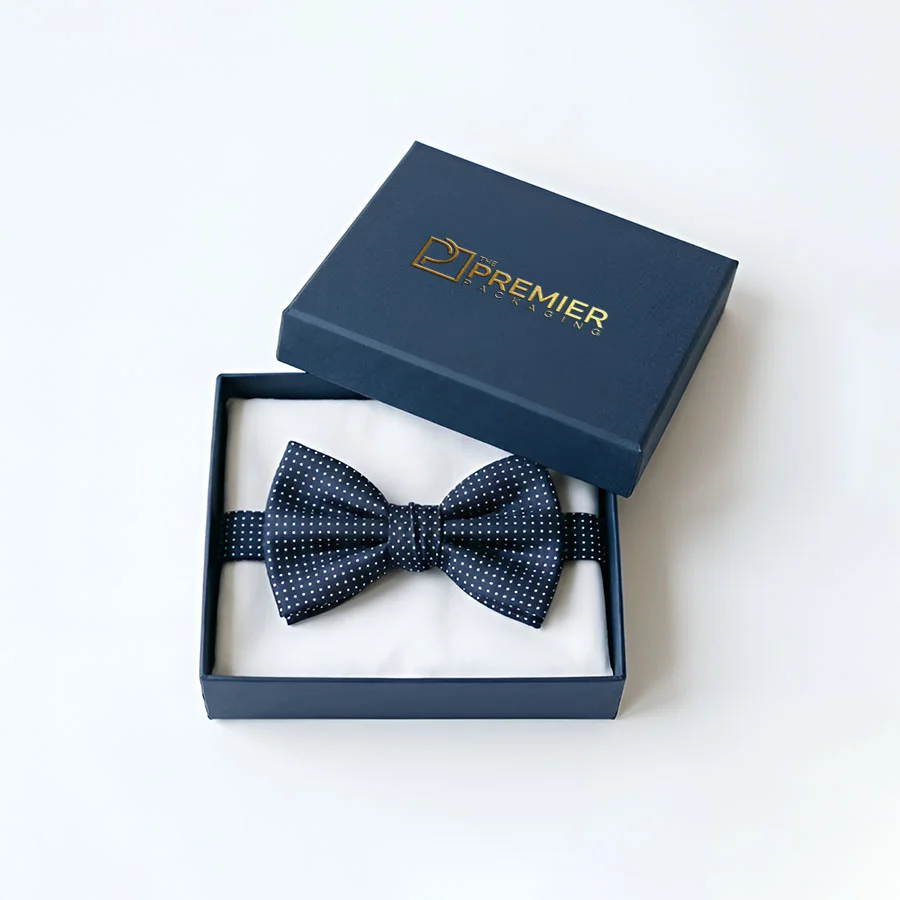
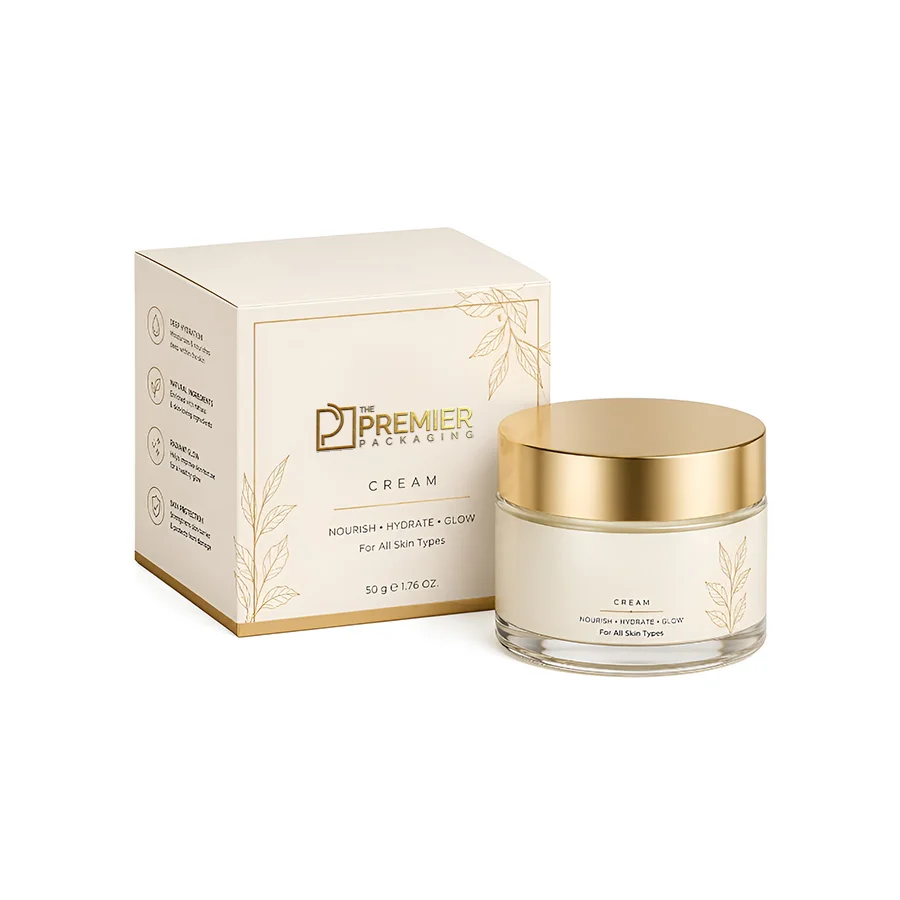
- Paperboard: A single thick sheet of compressed paper fiber. Cereal boxes, tissue boxes, cosmetic cartons, and the back of a notepad.
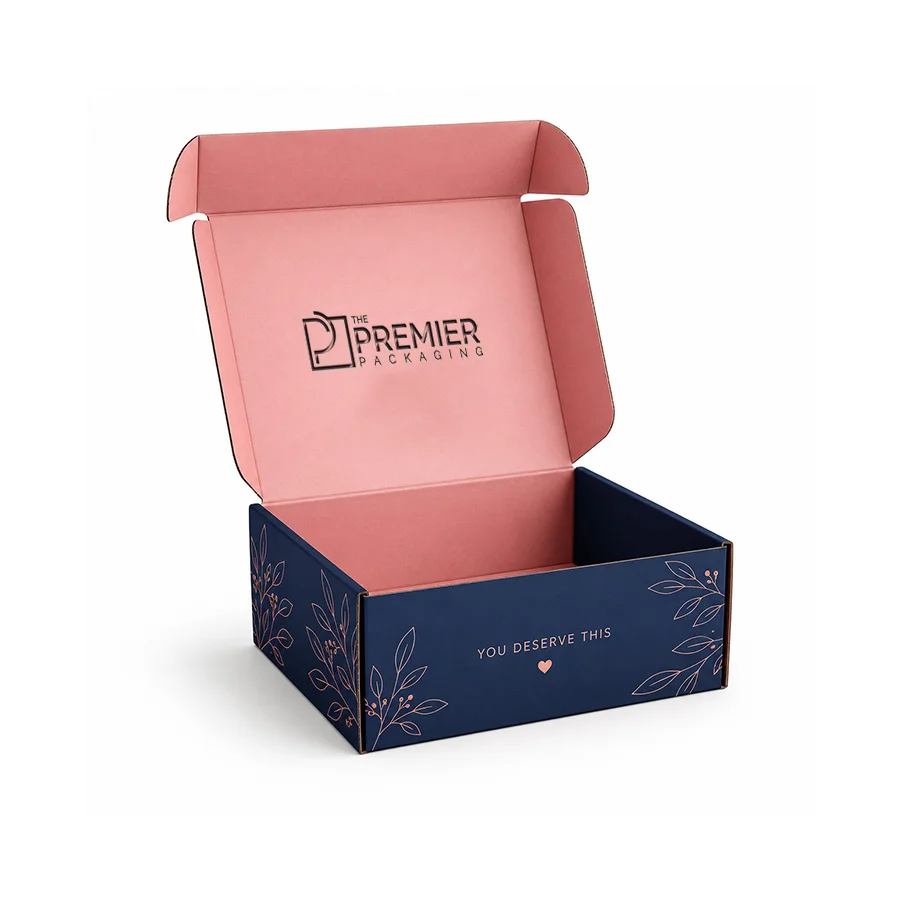
- Corrugated fiberboard: Two flat sheets (liners) with a wavy layer (the flute) glued between them. Shipping boxes, moving boxes, pizza boxes.
- Card stock and mat board: Dense, rigid paper used for business cards, postcards, playing cards, picture-frame matting, and bookbinding.

What is Cardboard Made Of?
Cardboard is primarily made of cellulose fibers extracted from softwood trees (like spruce or pine) and recycled paper. These fibers are processed into a pulp, mixed with water, and pressed into thick, heavy-duty sheets. The following list of ingredients are used to make cardboard.
1. Cellulose fiber
This is the main ingredient. Cellulose is a long, naturally strong fiber that holds plant cells together and it comes from two sources:
- Virgin wood pulp: Fresh fiber from softwood trees, mostly pine, spruce, and fir. Softwood fibers are long, which makes the resulting paper stronger. This is why fresh shipping liners are usually made from softwood.
- Recycled fiber: Reclaimed from old cardboard, newspapers, office paper, and other paper waste. Recycled fiber is shorter (each recycling cycle slightly breaks down the fiber length), so it is often blended with virgin fiber to keep strength up.
This tells you that cardboard, as we know it, is a blend or mixture of many things. A typical shipping box might be 70–90% recycled content, with virgin fiber added for strength. A box with high GSM may use more virgin fiber for a smoother print surface.
2. Water
To bind those fibers, water is used as a binding ingredient. Though it is eventually evaporated or removed entirely from the end paste of cardboard. Fibers are suspended in water to form a slurry called pulp, which is what flows onto the paper-making machine.
3. Starch-based glue
To make corrugated cardboard, the fluted middle layer is bonded to the two outer liners using a starch-based adhesive — usually corn or wheat starch. It is a natural glue, food-safe, and one of the reasons corrugated cardboard is widely recyclable and compostable.
4. Coatings and additives
While the following aren’t the primary ingredients for making cardboard, they act as additional layers for special applications:
- Clay or kaolin coatings
- Wax or polyethylene coatings
- Sizing agents
- Inks
If you ever see a coffee cup or a freezer carton that does not recycle the same as a regular cardboard box, the coating is almost always the reason.


How is Cardboard Made?
Cardboard is made by gathering and pulping softwood trees into a paper. To turn this paper into cardboard, it is fed into a corrugating machine. This machine squeezes and presses the paper to create a middle layer of wavy ridges called fluting. Finally, this wavy layer is sandwiched between two flat sheets of paper (called liners) and bonded together using a natural starch glue.
That was a simple way to explain how cardboard is made. Now here’s the step-by-step making process, explained in simple way:

Must Read: Where Can I Get Cardboard Boxes
Step 1: Pulping
Wood chips (or shredded recycled paper) are mixed with water and broken down into individual fibers. There are two main methods:
- Kraft process (chemical pulping). Wood chips are cooked with sodium hydroxide and sodium sulfide. This dissolves the lignin (the natural glue holding wood together) and leaves clean, strong cellulose fibers. The Kraft process produces the strongest paper and is what gives “Kraft paper” its name.
- Mechanical pulping. Wood is ground or thermally treated to break the fibers apart. It is cheaper, uses more of the tree, but produces shorter, weaker fibers.
Step 2: Forming the paper
The fiber slurry, about 99% water & 1% fiber, flows onto a moving mesh screen. As it moves, water drains downward through the mesh, leaving a wet mat of fibers behind. This is the beginning of a paper sheet.
The mat then passes through pressing rollers (squeezing more water out) and heated drying cylinders (evaporating the rest). What comes out the other end is a continuous roll of heavy paper, the raw material for cardboard.
For corrugated boxes, two grades of paper are made: linerboard (the flat, smooth outer layers) and medium (the paper that will be turned into the wavy flute).
Step 3: Corrugating (only for corrugated cardboard)
This is the step that turns flat paper into the familiar wavy-cored shipping board.
At a corrugator, the medium paper is fed between two heated, geared rollers that press it into a continuous wave shape. Starch glue is applied to the tips of the waves, and a flat linerboard is bonded to one side of the box. Then a second linerboard is glued to the other side. The end result is a three-layer sandwich: liner, fluted medium, liner. This is single-wall corrugated.
For heavy-duty boxes, extra layers can be used: double-wall (two flutes, three liners) and triple-wall (three flutes, four liners) construction.
Step 4: Cutting, scoring, printing, folding
The finished cardboard sheet is now ready to become a box. At a converter (a packaging manufacturer like The Premier Packaging), the sheet is:
- Cut to size on a die-cutter or rotary cutter.
- Scored along the lines where it will fold.
- Printed with whatever artwork the customer needs, flexographic printing for most shipping boxes, offset or digital for retail packaging.
- Folded and glued (or shipped flat as a die-cut blank, depending on the design).
Types of Cardboard

Below is the practical taxonomy. I am ignoring some industry-specific subcategories that mostly matter to engineers, and focusing on what you will actually run into.
| Type | What it is | Where you see it |
| Paperboard | Single thick sheet of compressed paper fiber. Usually 0.010” (10 mils) or thicker. | Cereal boxes, tissue boxes, cosmetics packaging, frozen food cartons. |
| Corrugated fiberboard | Two flat liners + one fluted medium glued between them. Single, double, or triple wall. | Shipping boxes, moving boxes, mailer boxes, pizza boxes. |
| Chipboard | Inexpensive single-ply board made almost entirely from recycled paper. Grey throughout. | Notepad backings, puzzle boxes, board-game boards, shoe-box dividers. |
| Solid bleached sulfate (SBS) | Premium paperboard made from bleached virgin pulp. Bright white, smooth, takes ink beautifully. | Luxury cosmetic boxes, pharmaceutical cartons, high-end food packaging. |
| Kraft board | Unbleached, brown paperboard from the Kraft pulping process. Strong, natural look. | Eco-positioned retail boxes, mailer boxes, takeout packaging. |
| Card stock / mat board | Dense, rigid paper that is closer to thick paper than to packaging board. | Business cards, postcards, playing cards, picture-frame mats. |
What Are Flutes in Corrugated Cardboard?
You might have come across these terms when buying corrugated cardboard. “E-flute,” “B-flute,” or “BC-flute,” or something similar. These letters or terms refer to the size of the wavy middle layer.
| Flute | Approx. thickness | Strength profile | Typical use |
| A-flute | ~5 mm | Best cushioning and stacking strength | Heavy or fragile items |
| B-flute | ~3 mm | Good crush resistance, decent print surface | Canned goods, retail-ready packaging |
| C-flute | ~4 mm | Balanced strength and printability — the workhorse | Most shipping boxes |
| E-flute | ~1.5 mm | Thin, smooth, prints very cleanly | Retail boxes, mailer boxes, cosmetic shipping |
| F-flute | ~0.8 mm | Thinnest, premium print quality | Small luxury retail packaging |
Key Properties Of Cardboard
Cardboard is one of the most successful packaging materials in human history, and the reason is a combination of properties that are hard to find together anywhere else:
- High strength-to-weight ratio.
- Cushioning.
- Insulation.
- Printability.
- Foldability and die-cuttability.
Environmental Impact of Cardboard

Cardboard is often described as “the green packaging material.” Mostly true, but the picture has nuance and I would rather give you the real one.
The genuinely good news
- Cardboard is one of the most recycled materials on the planet. In many regions, recovery rates for old corrugated containers exceed 80%.
- It is biodegradable. Clean, uncoated cardboard breaks down in compost in a matter of months.
- The raw fiber is renewable. Properly managed softwood forests can regrow indefinitely.
- Recycled fiber dramatically cuts the energy and emissions cost of new cardboard.
The trade-offs worth knowing
- Virgin pulp production, particularly the Kraft process, releases sulfur compounds and consumes significant water and energy. Modern mills have cut emissions sharply, but the footprint is not zero.
- Coatings ruin recyclability. Wax-coated produce boxes, plastic-laminated cups, and grease-saturated pizza boxes often go to landfill or compost rather than the recycling stream.
- Each round of recycling shortens cellulose fibers slightly. After roughly five to seven cycles, the fiber is too short for new paper and exits the loop. Virgin fiber has to enter the system at some rate to keep it running.
- Transportation matters. A box shipped halfway around the world has a much larger footprint than one made locally, regardless of its recycled content.
In short: cardboard is genuinely a strong sustainability choice compared to most alternatives, but the choice gets stronger when you use unbleached, uncoated, high-recycled-content board and recycle it after use.
A Bit of History About Cardboard
Cardboard has been around since at least the early 1800s. The word itself shows up in English by 1848, the novelist Anne Brontë used it in The Tenant of Wildfell Hall.
The first practical cardboard box dates to 1817, when an English industrialist began commercial paperboard box production. The big leap came in 1856, when two British engineers patented fluted paper, originally meant as a sweatband liner for tall hats, which would later become the corrugated flute we still use today.
In 1879, Robert Gair, a Brooklyn printer and bag maker, discovered (by accident, when a metal ruler cut a paper bag he was trying to crease) that paper could be cut and folded in a single machine pass. That’s a core reason why cardboard became the go to choice for most packaging needs.
The Kellogg brothers picked up the concept a few years later for their cereal cartons. By the early 20th century, the cardboard shipping box had effectively replaced the wooden crate for most consumer goods, and it has held that position ever since.
Where Cardboard Fits into Custom Packaging?
Understanding what cardboard is, matters because the choice of board grade, flute, and coating shapes everything about a custom box. It will dictate how strong that box will be, how it will look, how much it will cost and how easily it will recycle.
If you are looking for custom cardboard boxes and on a hunt to find a trustworthy custom packaging supplier, The Premier Packaging should be your point of focus.
We’ve been in the custom packaging business for about a decade now. Till this point we have thousands of happy clients from the SMEs sector. Let us know if you are looking for a reliable packaging manufacturer.
Editorial note: By the editorial team at The Premier Packaging, with technical input from packaging subject-matter experts.
This guide was written for general readers and reviewed against current packaging-industry sources. Technical specifications (flute thicknesses, paperboard weights, recycling cycle counts) are approximate industry norms; exact values vary by manufacturer and region. If you need exact specifications for a purchasing decision, ask a converter for a tech sheet on the specific board grade you are considering.


Frequently Asked Questions:
Is cardboard made from trees?
Yes, most virgin cardboard starts as softwood trees, typically pine, spruce, or fir. The wood is pulped to extract cellulose fiber, which becomes paper, which becomes cardboard. That said, a large share of modern cardboard is made from recycled paper rather than fresh wood. Most shipping boxes today contain 70–90% recycled content.
Is cardboard the same as paperboard?
Not quite. Paperboard is a single thick sheet of paper. Cardboard is a generic, everyday word that includes paperboard, corrugated fiberboard, chipboard, and card stock. All paperboards are technically cardboard. Not all cardboard is paperboard, corrugated, for example, is a layered construction, not a single sheet.
Is cardboard biodegradable?
Yes. Clean, uncoated cardboard is made of cellulose fiber and starch glue, both biodegradable. In a compost pile, it breaks down in a few months. Cardboard with wax coatings, plastic linings, or heavy printing breaks down much more slowly and is harder to recycle.
What is the difference between cardboard and corrugated?
“Cardboard” is the umbrella word. “Corrugated” specifically means the layered construction with a wavy flute between two flat liners, the kind of board used for shipping boxes. Paperboard (cereal-box style) is also “cardboard,” but it is not corrugated. If a packaging engineer is being precise, they will avoid “cardboard” entirely and say “paperboard” or “corrugated fiberboard.”
Can cardboard be recycled forever?
Not quite forever. Each recycling cycle slightly shortens the cellulose fibers. After roughly five to seven cycles, the fiber loses its binding and other key properties, thus preventing it from getting recycled again. The recycling loop has to be topped up with virgin fiber to keep functioning, but recycling still massively reduces the demand for new wood.
Is cardboard waterproof?
By itself, no. Cardboard absorbs water and loses strength quickly when wet. To make cardboard water proof, manufacturers add wax, plastic, or polymer coatings. Those coatings work but reduce recyclability.
How thick is cardboard?
It varies widely. Paperboard typically starts around 0.010” (10 mils, or 0.25 mm) and goes up. Single-wall corrugated runs from about 1.5 mm (E-flute) to 5 mm (A-flute). Double-wall corrugated stacks two flutes together, reaching around 7 mm. Triple-wall, used for heavy industrial shipping, can exceed 15 mm.
Share on: