Packaging now serves multiple roles beyond just protection because it helps customers make their first impression and promises excellent quality right from the start. How a coffee brand picks its packaging decides if it maintains freshness in the product, creates customer appeal and builds lasting brand recognition.
This guide shows you how to pick packaging boxes like tea boxes that extends product freshness and showcases your brand to build a loyal customer base.
Why Coffee Packaging Matters
Exposure to oxygen plus humidity affects coffee the most when the product contacts direct sunlight and heats up. When packaging methods are not suitable they destroy taste and texture while spoiling coffee faster. Customers shop with their vision and against market competition. So packaging that stands out and functions effectively makes the difference.
Quality packaging serves three essential purposes.
- Preserves freshness and quality
- Communicates your brand identity
- Enhances the consumer experience
What Coffee Requires for Preservation
When coffee recently roasts it continues sending out carbon dioxide through its pack. The trapped carbon dioxide gas in an airtight package will force the bag to break and harm the taste of the coffee. High-quality coffee packs include one-way valves that release remaining gases but block outside air entry for package protection.
Additionally, coffee needs protection from:
- Oxygen
- Moisture
- Light
- Heat
Packaging needs to perform scientific functions to earn its status as the best option.
Types of Coffee Packaging Materials
Coffee industry uses different types of materials which we need to discuss first.
1. Foil-Lined Bags
These packages are the main choice for premium coffee products. These containers come with several layers including a metallic foil that blocks out oxygen, moisture and sunlight impurities. Ideal for ground coffee and whole beans alike.
2. Kraft Paper Bags
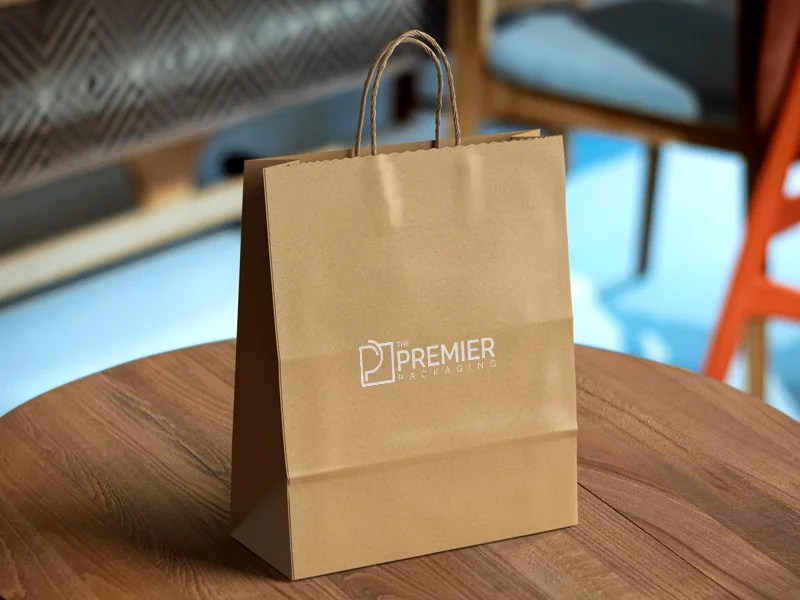
Kraft paper bags offer an eco-friendly and country-style packaging solution since they break down smoothly while remaining recyclable. The packaging needs a foil layer or PLA enhancement to retain coffee freshness for extended periods.
3. Polyethylene (PE) and Polypropylene (PP) Bags
People often select these plastic materials to create various flexible packaging designs. Budget plastic bags require addition of secondary protection layers to defend against air and moisture.
4. Compostable Packaging
Brands aiming for environmental impact should pick compostable bags. Because they are made from sustainable materials like cornstarch and plant cellulose which deliver superior quality without worsening the planet.
Packaging Formats to Consider
Package designs give consumers various ways to store their coffee. Your decision depends on the form of your product along with your brand image and customer usage habits.
- Clear Stand-Up Pouches
- Flat Bottom Bags
- Side Gusset Bags
- Tins and Glass Jars
Features That Make a Difference
A package needs features to perform better than simple design choices.
- One-Way Degassing Valve
A must-have for fresh-roasted coffee. The valve helps the package get rid of trapped gases without allowing oxygen to enter.
- Resealable Zippers
Single-use packaging turns into multiple uses when our customers access the product over multiple days because the resealable function keeps it fresh.
- Matte vs. Glossy Finish
The matte finish represents contemporary and superior styles while the glossy finish creates a bright shiny look.
- Custom Print or Label
Basic products can be covered with plastic and printed labels while high-cost options get complete customization.
Sizes and Dimensions
Supplying different package sizes lets businesses partner with diverse customers.
- 3 oz / 100g
- 8 oz / 250g
- 12oz / 340g
- 1lb / 453g
Sustainable Coffee Packaging
Your ability to attract more customers grows as you give your coffee brand eco-friendly packaging options. Look for:
- Recyclable materials
- Biodegradable linings
- Water-based inks
- Compostable zippers and valves
More consumers now need sustainability as a standard flavor for their coffee purchases.
The Best Way to Select Your Perfect Product
These steps will help you pick the right coffee packaging for your product.
1. Know Your Market
Your customer group decides between high-end quality items, inexpensive goods, or environmentally conscious choices.
2. Match the Coffee Type
Dried coffee powder requires enhanced oxygen barrier protection more than whole roasted beans. Take into account the variety of coffee beans, tea boxes and their need-for-market exposure.
3. Think About Storage and Display
The flat-bottom and stand-up pouch designs better show up on shelves thanks to their improved stability.
4. Balance Budget with Quality
Customers show greater trust in brands when premium packaging exists despite its added cost. Seek the correct packaging choices based on your current business growth.
Final Thoughts:
Products get their first impression through the packaging which silently communicates brand values to consumers. The package design transmits important information about your business standards and demonstrates your product worth. All packaging decisions determine how well your coffee product will look and serve your customers.
Excellent packaging helps your brand outshine others in the successful coffee market. Your choice of coffee packaging should match the quality and style of your product.
So—what’s in your coffee bag?
Share on: