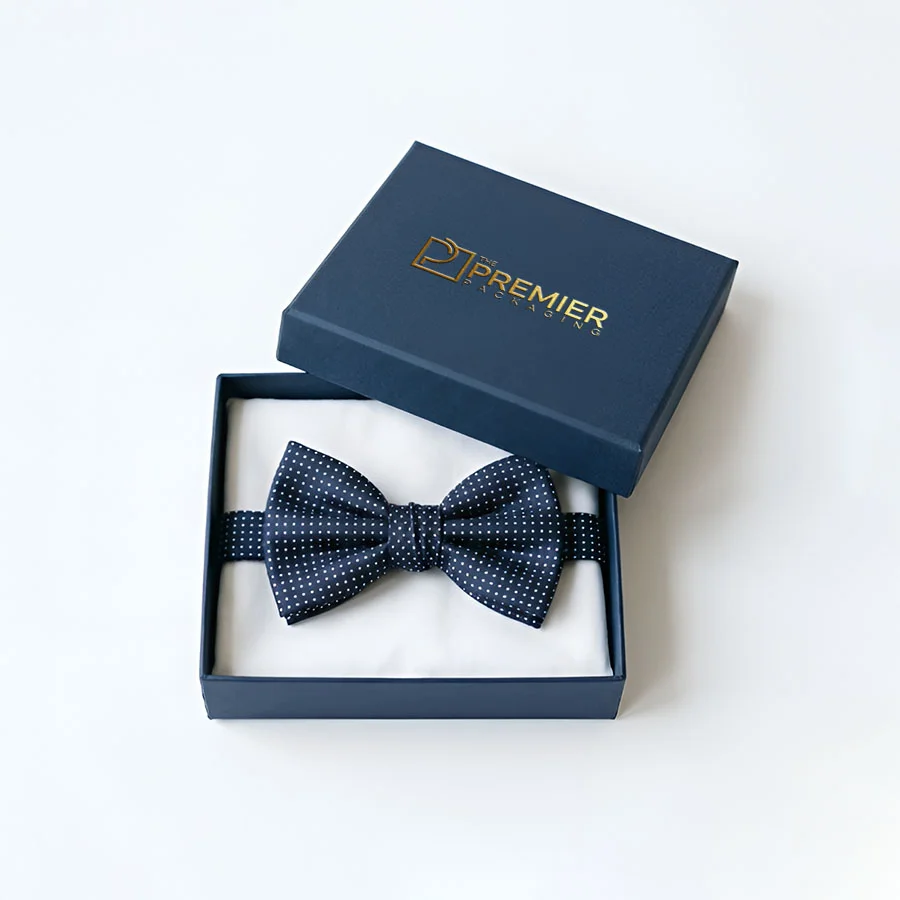
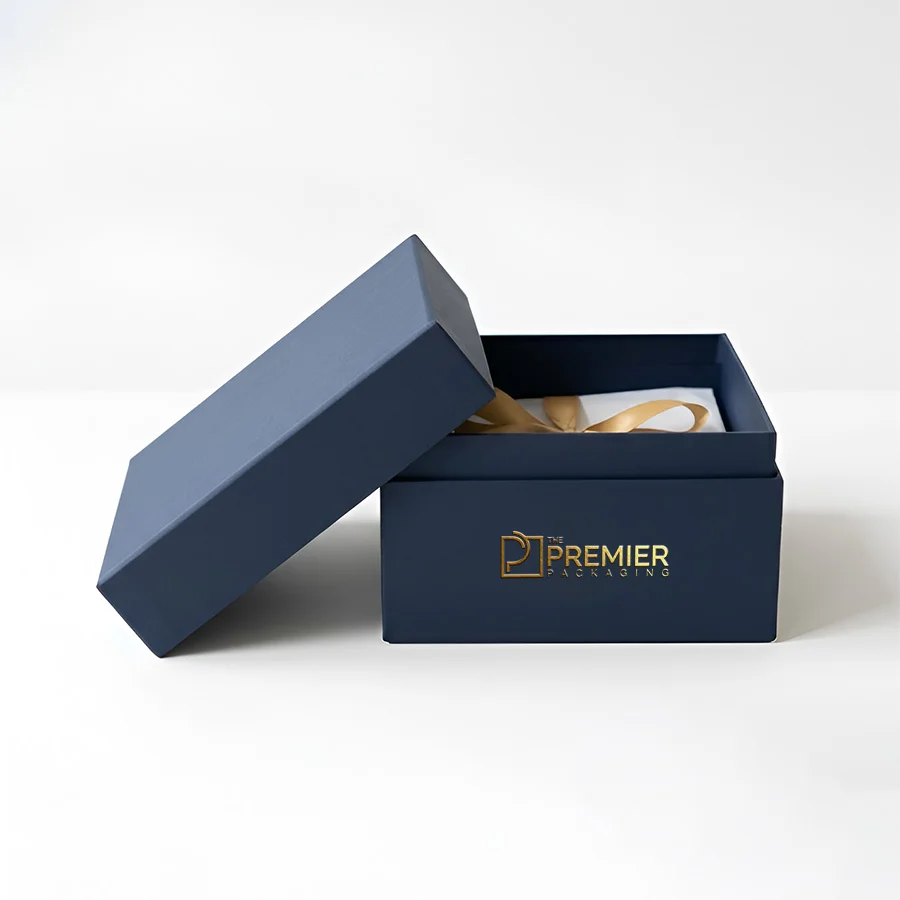
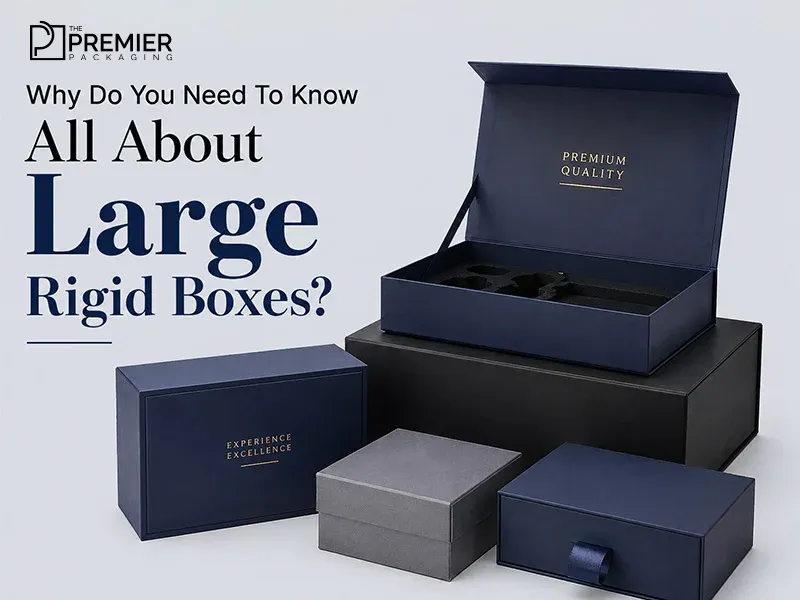
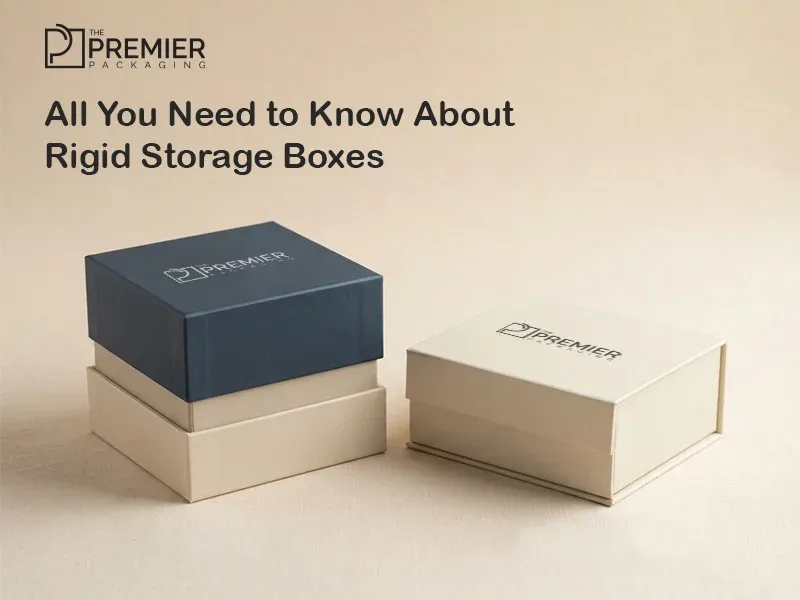
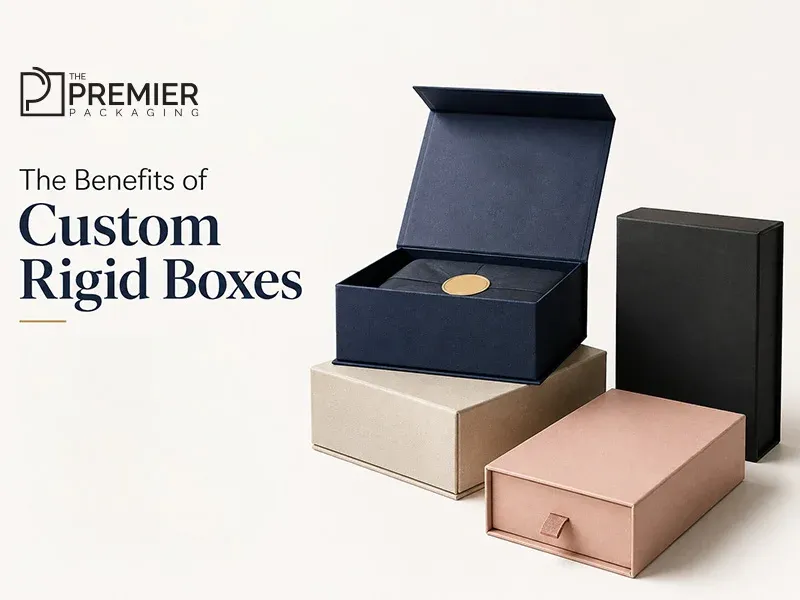
For starters, rigid boxes are intended to package high-end products to enhance branding and user experience. It’s also called setup box, and it features a laminated sheet wrapped onto its primary material i.e. greyboard and chip board — GSM is greater than 900. The thickness of its board ranges between 1–3 mm. And there’s more to rigid boxes.
This guide will go in search of answering buyer’s questions regarding rigid boxes, like:
- Which box style to choose
- What effect the price of the box
- How to order the box
And more…
Let’s dive in.
Rigid box, folding carton or mailer: which do you need?
Use a rigid box when the packaging is part of what the customer pays for. If the box must only protect the product and give information, use a folding carton or a mailer. These cost less, and you get them faster.
| Attribute | Rigid box | Folding carton | Corrugated mailer |
| Material | 1–3 mm greyboard with a paper wrap | 10–28 pt paperboard. The print is directly on the board. | Corrugated board (E-flute or B-flute) |
| Feel | Solid, heavy, premium | Light, standard for retail | Strong, for e-commerce |
| Ships flat? | No. Collapsible styles are the exception. | Yes | Yes |
| Unit cost | Highest | Lowest | Low to medium |
| Production time | Longest | Shortest | Short |
| Typical use | Jewelry, watches, fragrance, gift sets, PR kits | Cosmetics, supplements, food, retail shelves | Subscription boxes, direct-to-customer shipping |
| Can it ship alone? | Usually no. It goes inside a shipping box. | Usually no. It goes inside a shipping box. | Yes |
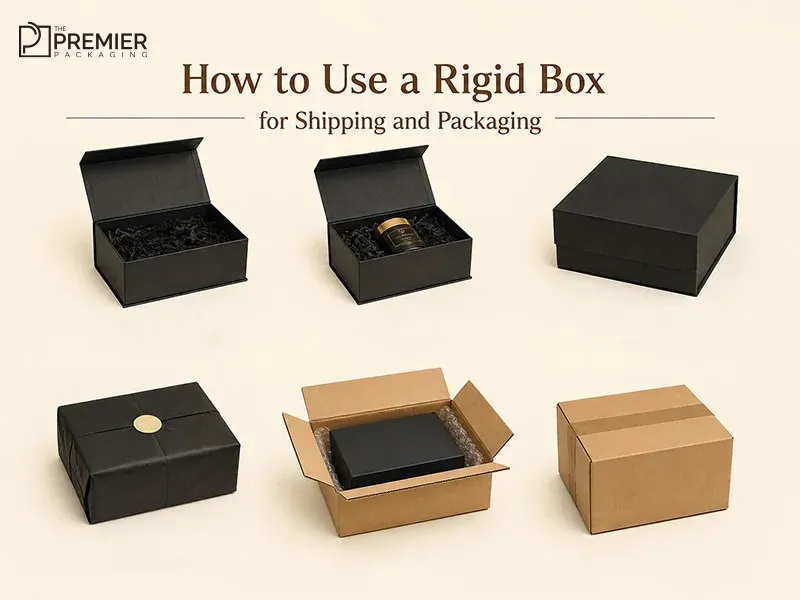
A rigid box is not a strong shipping container. It prevents crush damage on the shelf and in the hand. But you usually must put it in a corrugated outer box for shipping. Include this cost in your budget.


Rigid box styles and which one fits your product
The style controls how the box opens. The opening is the unboxing moment that you pay for. Most orders use a magnetic closure box or a two-piece box. The other styles solve specific problems.
| Style | How it opens | Best for | Possible problem |
| Magnetic closure | A hinged lid. Hidden magnets keep it closed. | Cosmetics sets, electronics, luxury retail | Magnets increase the cost. They also make recycling more difficult. |
| Two-piece (lift-off lid) | You lift the lid off the base. | Jewelry, apparel, chocolates, gift sets | If the fit is loose, the lid can slide off. |
| Shoulder or neck box | The lid sits on an inner shoulder. A band of the shoulder stays visible. | Fragrance, watches, high-end gifts | It has three pieces. Thus, it costs more and takes more time to build. |
| Drawer (slide) box | A tray slides out of a sleeve. Many have a ribbon pull. | Watches, accessories, small gifts | Tolerances must be tight. If not, the tray can fall out. |
| Book-style box | It opens like a book cover. Many are magnetic. | Corporate gifts, media, presentation kits | The box is large compared to the product. |
| Hinged lid (no magnet) | The lid attaches at the back. A tight fit or a ribbon keeps it closed. | Jewelry, keepsakes | The closure is less secure than a magnetic closure. |
| Collapsible rigid box | It ships flat. You open it, and magnets or tabs hold its shape. | E-commerce brands that want a rigid feel and lower freight cost | It is a little less solid than a fixed rigid box. |
| Round or tube box | A round base with a lift-off lid | Candles, tea, fragrance, apparel accessories | A round shape gives fewer insert options. |
How to select a style. Start with the product:
- If the product is heavy or fragile, use a secure closure. Use a magnetic box or a drawer box.
- If customers open the box many times, use a magnetic box or a hinged box.
- For gift sets, use a two-piece box with a custom insert. This is the premium option with the lowest cost.
Materials: board, wrap and inserts
A rigid box has three material parts:
- The board gives strength.
- The wrap gives the appearance.
- The insert holds the product.
Each part changes the price, the feel and the recyclability.
Board. The core is greyboard. Some people call it chipboard. Thicker board feels more solid. But it also adds weight and increases the freight cost.
- 1–1.5 mm: small, light items, for example cards, jewelry and small cosmetics
- 2 mm: the usual thickness for general luxury packaging
- 2.5–3 mm: large or heavy boxes, presentation sets and electronics
Wrap paper. The wrap is printed separately. Then it is glued around the board. All the color and finish are on the wrap.
- Printed art paper (coated, 120–157 gsm): for full-color designs. This is the most flexible option.
- Specialty paper (textured, linen, leatherette, metallic): gives a premium feel. Usually, foil is the only decoration.
- Kraft paper: gives a natural appearance. It is easier to keep it free of plastic.
- Uncoated or FSC-certified paper: the best option if you make sustainability claims.
Inserts. An insert prevents movement of the product. It also shows the product well when the customer opens the lid.
| Insert | Appearance and feel | Recyclability |
| Paperboard or greyboard | Clean, structured | Recycles with the box |
| Molded pulp | Natural, matte | Recyclable. Often compostable. |
| EVA foam | Precise fit, soft | Plastic. Remove it before recycling. |
| Velvet or satin lining | Like a jewelry store | Mixed material. Difficult to recycle. |
If you make a recyclability claim, use paperboard or molded pulp inserts. Do not use plastic lamination on the wrap.
Finishes and decoration
One or two good finishes look more expensive than five finishes that compete. Select the finish that shows your logo best. Keep the other areas simple.
| Finish | What it does | Best on |
| Hot foil stamping (gold, silver, colored) | Puts a shiny metallic logo or text on the box | Specialty and textured papers |
| Embossing or debossing | Makes a raised or pressed-in logo that you can feel | Uncoated and textured papers |
| Spot UV | Puts a glossy area on a matte background | Printed art paper with matte lamination |
| Soft-touch lamination | Gives a soft surface that does not show fingerprints | Dark designs, cosmetics, electronics |
| Anti-scuff lamination | Prevents rub damage to dark colors during shipping | Black and dark-colored boxes |
| Matte or gloss lamination | Gives resistance to moisture and scratches | Full-color printed wraps |
| Interior printing | Puts a pattern or a message inside the lid | Unboxing and photos for social media |
Lamination makes the surface resistant to moisture. But it is not waterproof. Humidity can still go into the board edges and corners.
Plastic lamination also makes recycling more difficult. If your customers care about sustainability, use an aqueous coating or an uncoated textured paper.
How rigid boxes are made
A rigid box is built, not folded. The board and the printed wrap are made separately. Then a person or a machine joins them. This is why a rigid box costs more and takes more time than a folding carton.
- Make the dieline and the 3D proof. We use your product dimensions to make a flat layout of the box and the wrap. Then we send you a digital 3D mockup for approval. On request, we can make a physical sample.
- Print the wrap. We print the wrap paper in full sheets (offset or digital). While the sheet is flat, we apply the finishes: lamination, foil, embossing or spot UV.
- Cut the board. We cut the greyboard to size for the base, the lid and any shoulder or tray parts.
- Groove the board and make the corners. We cut a V-groove where the board bends. Then we join the corners with corner tape or stays. This gives the shell a sharp 90-degree shape.
- Wrap the shell. We apply glue to the printed wrap and put the board shell on it. Then we fold the wrap around the sides and tuck it inside. Machines do this step for large runs. People do it by hand for complex shapes.
- Line and assemble the box. We add the interior paper, magnets, ribbons, hinges and inserts.
- Check and pack the boxes. We check the boxes for wrap alignment, corners and color. Then we pack them in corrugated cartons for shipping.
Most of the cost is in steps 4–6. Complex shapes, magnets and multi-piece boxes add assembly time to each box. A larger print run decreases the unit price. But these features usually increase the price by a larger amount.
What rigid boxes cost and how long they take
Size, style and quantity have the most effect on the unit price. When the quantity increases, the unit price decreases quickly. This is because the setup cost is divided across more boxes. A rigid box costs more per unit than a folding carton of the same size.
What increases the price
| Factor | Effect on price | How to decrease the cost |
| Quantity | This has the largest effect. The setup cost is fixed, so small runs cost more per box. | Order the quantity that you will use in 6–12 months. |
| Size | Larger boxes use more board and wrap. They also cost more to ship. | Make the box the size of the product plus the insert. Do not make it larger. |
| Style | Shoulder, book and drawer styles need more parts and more labor. | Use a two-piece box. It is the premium style with the lowest cost. |
| Closures | Magnets and ribbons add parts and hand work. | Where possible, use a tight lid fit instead of magnets. |
| Inserts | Custom foam or lined inserts add tooling and labor. | Use paperboard inserts. They cost less and recycle with the box. |
| Finishes | Each foil, emboss or spot UV adds a setup. | Use only one or two finishes, on the logo. |
| Board thickness | Thicker board increases the material and freight cost. | Use 2 mm board. It is correct for most products. |
Sustainability and the rules brands face in 2026
A rigid box can be mostly paper and recyclable. But you must design it for this. Magnets, plastic lamination, PVC windows and foam inserts usually prevent recycling.
How to make a rigid box easier to recycle
- Use FSC-certified board and wrap paper [confirm availability].
- Use paperboard or molded pulp inserts. Do not use EVA foam.
- Use an aqueous coating or uncoated paper. Do not use plastic lamination.
- Do not use PVC windows. If you need a window, use a paper-based alternative.
- Where the product permits, use a tight lid fit or paper tabs instead of magnets.
- Make the box size near the product size. This decreases the material and the empty space.
Before you request a quote: a checklist
If you give us these details, we can send the quote faster. The quoted price will also be nearer to your final price. If some data is missing, that is not a problem. Our team will help you.
- Product dimensions (length × width × height) and weight
- Box style that you prefer. Or, tell us the product type, and we will recommend a style.
- Quantity. You can also ask for the price of a second quantity, for comparison.
- Insert requirements: one product or more, fragile or not fragile
- Finishes for the logo (foil, embossing, spot UV)
- Artwork or brand files (AI, PDF or EPS). Or, tell us if you need help with the design.
- Deadline: the date when the boxes must arrive
- Markets where you sell (for example, US states or the EU), if recyclability claims are important
Do you want to see the box before you order? Send us your specifications for a free quote. Or, ask for a physical sample before you order a full run. For ideas, look at our rigid box styles and luxury rigid boxes.
Frequently asked questions
What is the difference between a rigid box and a folding carton?
A rigid box is made of thick greyboard with a paper wrap. It keeps its shape. A folding carton is made of thinner paperboard. It ships flat, and you fold it into shape. A rigid box feels more premium, and it costs more.
Are rigid boxes recyclable?
Yes, the board and the paper are recyclable. But magnets, plastic lamination, PVC windows and foam inserts make recycling more difficult. The easiest box to recycle has paper inserts and no plastic coating.
Can I mail a rigid box without an outer box?
You can mail some rigid boxes without an outer box. But usually, you put the rigid box in a corrugated shipping box. This protects the wrap and the corners. Collapsible rigid boxes come to you flat. This decreases the freight cost.
What is the most popular rigid box style?
Customers ask most for magnetic closure boxes and two-piece lift-off boxes [confirm with sales data]. Magnetic boxes are good for products that customers open many times. Two-piece boxes are the premium option with the lowest cost.
Share on:
Recent Update


Standard Greeting Card Size & Dimensions: A2 vs. A7 & Paper Yield Guide

Everything You Need to Know About Milk Carton Dimensions

Cereal Mascots: List of Cereal Advertising Characters

What Is a Cardboard? A Ridiculously Easy Guide