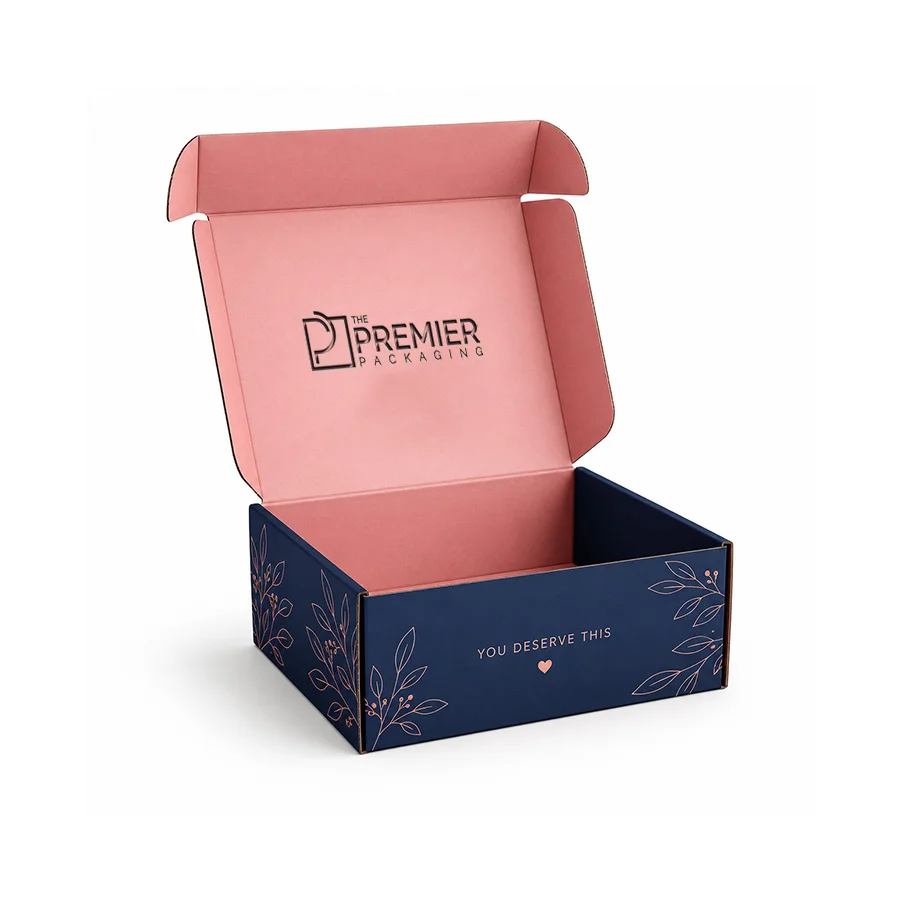
Mobile battery packaging protects lithium-ion and lithium-polymer batteries. It guards them during handling, shipping, retail display, and delivery to customers. It also supports product identification and branding. Furthermore, it covers applicable packaging and transport requirements.
Mobile batteries are sensitive products. Because of this, packaging needs to combine physical protection with secure internal positioning. It requires appropriate materials and clear handling information. Finally, it needs a structure suited to the battery’s size and intended use.
The right packaging must balance protection with presentation. This applies to brand owners, e-commerce sellers, retailers, and other product-based businesses. A retail package may need to attract attention on a shelf. Meanwhile, a shipping package may need to prioritize cushioning, secure positioning, and efficient handling.
This guide explains the types and materials relevant to battery packaging for phones or mobiles. It also covers sizing considerations, safety features, and customization options.
Why Is Packaging for Mobile Batteries Important?

Packaging your mobile battery safely is something you have to do. It is not simply something you want to do. Some of these forms of energy hold chemical materials. These materials can spill, grow too hot, or burst when managed improperly. That’s why strict requirements for battery packaging and transport exist. Government and agency regulations create these rules.
Why secure mobile battery packaging is so important is explained below:
- Physical Protection: All batteries need protection. They must be protected from pressure, impact, moisture, and static electricity.
- Safety Compliance: Correctly label your items and use proper materials. When you do this, you comply with worldwide shipping rules.
- Consumer Assurance: Use visually appealing and branded packaging. This guarantees quality and safety in a customer’s mind.
- Operational Efficiency: The right types of packaging help products assemble more efficiently. Products stay organized and ship effortlessly.
- Looks Count: Sharper packaging helps a product stand out in shops. It also increases awareness of the brand.
For everyone’s safety, every unit of a battery must be packed securely. This also enhances how users interact with them.
Important Parts of Good Mobile Battery Packaging

A good battery packaging process combines focus on safety with company branding. It should:
- Protect the product. Wrap it in a solid outside layer.
- Use internal protection. Stop the battery from becoming loose.
- Choose anti-static materials. This avoids electrical discharge.
- Mark warnings clearly on any product. Include clear directions for handling.
- Give your customers items that seal easily. Ensure they seal safely.
- Use custom printing. It should be available to help your branding.
All parts of the packaging should support product quality. They must support how customers feel about using it. They also shape how your brand looks.


Materials Chosen for Mobile Battery Packaging

What sort of materials are used matters. It impacts safety, shipment costs, recycling, and overall look. Let’s look at the most popular materials:
1. Corrugated Fiberboard
Corrugated fiberboard is used as secondary or shipping packaging. It provides a durable outer layer for larger battery orders and shipments.
2. Paperboard/Cardstock
Paperboard and cardstock provide a lightweight packaging option for retail presentation. They are used with inserts or blister shells. This provides additional product support.
3. Anti-Static Foam Inserts
Anti-static foam inserts provide cushioning against bumps. They also help address electrostatic discharge concerns. They are used for battery products that require this type of protection.
4. Blister Clamshells
Blister clamshell packaging combines a thin plastic outer shell with a paperboard component. This format is suited to retail display packaging.
5. Thermoformed Trays
Thermoformed trays are shaped plastic inserts. They are designed to hold batteries in position. They are placed inside cartons to reduce product movement during handling and shipping.
6. Kraft Paper
Kraft paper is an option for companies with an environmental focus. It suits businesses that prioritize packaging materials with an eco-friendly target. Its suitability depends on the protection requirements of the specific battery and packaging application.
Be Sure About Sizing and Structure And Get the Right Fit
Battery packaging should fit the product securely. It must minimize unnecessary movement inside the package. Poorly fitted packaging will increase the risk of movement. Consequently, it increases product damage during handling.
Common battery box dimensions and sizes are:
- Standard Phone Battery: 3″ × 2″ × 0.5″
- Tablet Battery: 5″ × 3.5″ × 1″
- Power Bank: 6.5″ × 4.5″ × 1.5″
- Multi-Pack Units: 7″ × 5″ × 2″ or larger
These dimensions should be treated as packaging guidelines. They are not universal battery dimensions.
Custom packaging can help achieve a closer fit. It reduces unnecessary movement inside the package. Furthermore, the final packaging structure should account for applicable transporter requirements.
Internal Inserts For Protecting Mobile Batteries
Internal packaging is important. This is because the outer carton alone does not necessarily prevent a battery from moving inside the package.
Depending on the application, internal components can include:
- Foam inserts
- Paperboard dividers
- Molded or thermoformed trays
- Custom-fit supports
- Individual product compartments
These components can separate individual batteries. They cushion the product effectively. Also, they help maintain its position during handling.
Internal structures can make multi-unit packaging more organized. They do this by giving each battery a defined space within the package.
Sometimes, terminal protection or electrical isolation is required. In these cases, the internal packaging should be designed with the specific battery and applicable handling requirements in mind.
What Information Should Battery Packaging Display?
Packaging is designed to provide important product identification. It also provides handling information. At the same time, it carries the brand’s visual identity.
Depending on the product and applicable requirements, packaging may provide space for:
- Product name or model
- Battery identification
- Manufacturer or brand information
- Handling information
- Applicable warnings
- Barcodes
- QR codes
- Other product or traceability information
The exact information required depends on several factors. These include the battery, market, distribution channel, and applicable regulations. Therefore, businesses should verify required labeling and transport information for their specific product. They should do this rather than relying on a general packaging guide.
Mobile Battery Packaging From The Premier Packaging
The Premier Packaging builds custom battery packaging. We build it for businesses that need a combination of product protection and professional brand presentation. You might need retail display packaging or custom printed cartons. Alternatively, you might need protective inserts or shipping-focused packaging. Regardless of the option, we will help develop a battery box that fits your specific needs.
Share on: