Flour companies still package their product in paper bags instead of plastic or more expensive alternative containers. Manufacturers carefully select paper bags for flour packaging. This choice balances utility with functionality. The flour manufacturing industry has used paper bags since the 1970s because of their multiple advantages.
This article examines the dual aspects of science and operational strategy involved in why flour is packaged in paper bags. We will examine how this decision helps consumers, manufacturers, and environmental preservation. While explaining why numerous suppliers of paper bag packaging prefer to use traditional methods.
The Main Purpose of Flour Packaging
As a natural product, flour exists as a powdery, fine substance which shows sensitivity to both odor and moisture. The packaging requires three fundamental requirements because of its quality-sensitive nature.
- Keep the contents dry.
- Protect against contamination.
- The packaging remains fresh for a longer duration.
The effectiveness of paper bags at fulfilling critical requirements makes them an unexpectedly advanced solution for a simple product.


Why Is Flour Packaged in Paper Bags?
These are the primary factors that explain why flour receives this particular type of packaging.
1. Moisture Control
Paper bags let some air circulate, which regulates how damp the contents become. The unusual appearance of this packaging strategy makes perfect design sense. Flour packed under airtight plastic conditions will spoil because moisture cannot escape, which allows mold to grow. Brown paper bag packaging lets moisture escape through its breathability, thereby protecting flour from spoiling.
2. Cost-Effective and Sustainable
Trotems cost less to fabricate while staying available for repeated recycling. Manufacturers benefit from reduced packaging expenses because they need not sacrifice product safety measures to accomplish this. Customers who prioritize environmental concerns get reduced plastic waste and materials that can naturally decompose.
3. Food Safety and Shelf Life
The packaging of many flour brands includes food-safe lining within several paper layers that protect flour from dust entry as well as pest infestation and light degradation. The product designers made these storage bags to preserve dry items such as flour because they protect food quality and prevent dangerous substances from entering.
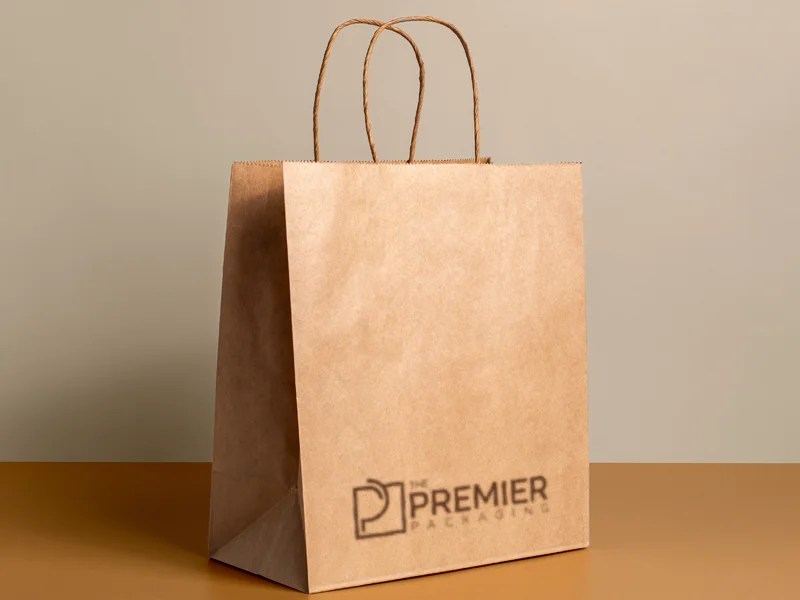
Benefits of Using Paper Bag Packaging for Flour
1. Eco-Friendly Appeal
Various brands across industries now select sustainable packaging methods because of increased attention to plastic contamination in our environment. The use of paper bags features both biodegradability and recyclability together with their renewable resource foundation. The characteristics of these consumers match precisely with their environmental values.
2. Easy to Print and Customize
Paper material serves as a prime choice for printing product labels with design elements and branding materials. Addition of custom-printed labels on flour packaging helps businesses draw attention in retail stores regardless of their branding status from artisan to commercial.
3. Efficient Storage and Shipping
The lightweight yet stackable nature of paper bags with their bulk-handling capabilities makes them perfect for shipping and retail storefront exhibits. The characteristics of paper packaging enable flour producers to efficiently manage their storage areas as well as shipping operations which require maximum stability and space.
Brown Paper Bag Packaging A Timeless Classic
People find the aura of brown paper bag packages to be nostalgic and comforting. The material generates feelings of basic simplicity along with trust in addition to wholesome quality perception. Smaller flour companies and businesses making organic levels use brown paper bag aesthetics to market their products effectively.
Paper bag packaging serves roles by creating a visual impact and showing brand dedication to traditional methods and sustainability practices. Brand selection choices from consumers have increased in importance thus making it crucial for businesses.
Is Paper Packaging Better Than Plastic?
The packaging function of plastic remains valid but the material traps moisture while producing excess waste and causing flour to clump or degrade during storage time. Paper serves as an optimal packaging material that achieves the perfect levels of protection and airflow.
Here’s a quick comparison:
| Feature | Paper Bags | Plastic Bags |
| Breathable | Yes | No |
| Recyclable | Widely | Less Commonly |
| Cost-effective | Affordable | Sometimes Costlier |
| Biodegradable | Completely | Not Biodegradable |
| Brand Aesthetic | Natural, Rustic | Less Appealing |
Clearly, paper wins in most categories when it comes to flour packaging.
Share on: